

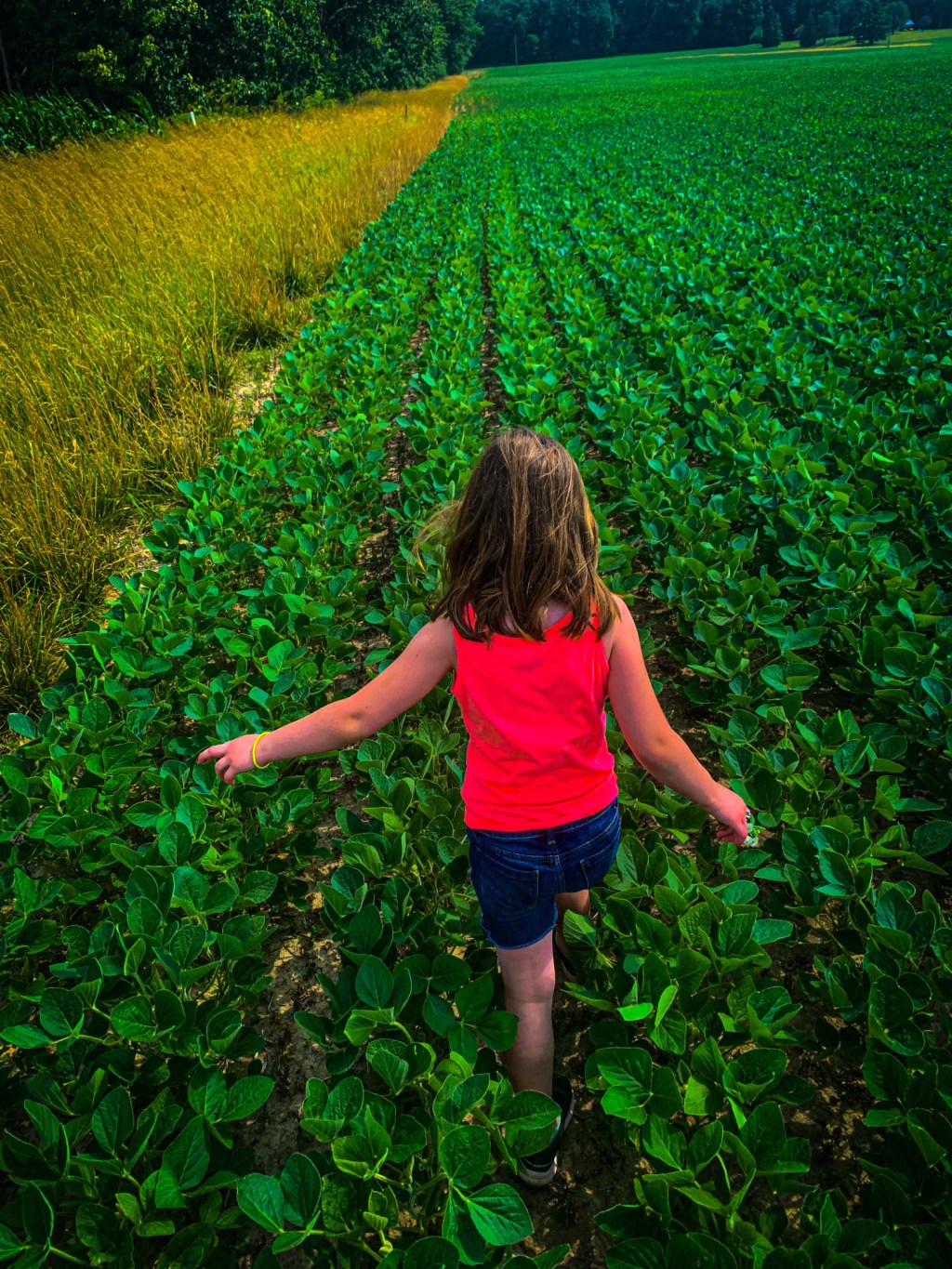
On my drive to work this morning, I started paying closer attention to something I had been noticing for the last couple weeks. The fields all looked different.
Some cornfields were already pushing four feet tall and looking like they were well on their way. Other fields looked like they had just gotten a fair start, and some were so far behind that the old saying “knee high by the Fourth of July” didn’t even feel like a hope. The beans were the same way. Some fields had a good stand and were starting to fill in, while others looked thin, late, or uneven.
That is just how this spring has been.
There have been plenty of rains, and for a lot of farmers, planting came down to small windows between wet stretches. When the ground was fit, they had to go. When it wasn’t, they had to wait. Because of that, the crops across the landscape are in all kinds of different stages right now. One farm might have tall corn that already feels like cover. A mile down the road, another field might still be wide open.
As hunters, we tend to look at crop fields mostly as food sources. Corn, beans, winter wheat, alfalfa, clover — they all play a role in how deer use a property. But when it comes to whitetails, especially mature bucks, crops are not just food. They are also security.
That is what has me thinking about this fall.
If these fields stay staggered all summer, it could make for a very interesting deer season. A cornfield that was planted early and has good growth may become a major bedding and travel area long before some of the later-planted fields ever offer much cover. A mature buck does not need much of an excuse to avoid open ground, and tall corn gives him a place to move, feed, and bed with very little exposure.
That could mean some bucks spend more time bouncing from cornfield to cornfield, especially in areas where the timber is limited or where pressure picks up once season opens. A big block of standing corn can act almost like a temporary sanctuary. It gives deer shade, food, security, and a way to travel without showing themselves in the open.
The tricky part is that not every cornfield will be equal this year.
In a normal year, a lot of the crop growth across an area is somewhat similar. This year, at least from what I am seeing, that does not seem to be the case. That means deer may show a stronger preference for the fields that offer the best combination of food and cover at the right time.
A taller, thicker cornfield near a bedding area could hold deer differently than a shorter, later-planted field that still feels open. A bean field that was planted early and has a good canopy may get more daylight activity than a field that struggled early and is still trying to catch up. Deer notice those differences. Mature bucks definitely notice them.
The same thing could happen later in the fall when harvest starts.
If some fields mature earlier than others, harvest may be spread out more than usual. One field may come off while another one nearby is still standing. When that happens, deer often shift fast. A buck that felt secure in one cornfield may relocate to the next best piece of cover overnight. If the surrounding timber is pressured, that next standing field might become the safest place he has left.
That is why this summer’s scouting could be important.
I do not think the answer is to run into every field edge and start pressuring deer. That usually does more harm than good. But I do think hunters should pay close attention while driving, glassing, checking maps, or running cameras in smart locations. Take note of which crop fields are ahead, which ones are behind, and which ones connect to good bedding cover, creek bottoms, ditches, or overlooked travel routes.
This kind of year may also make observation sits more valuable. Instead of assuming deer will use the same fields they always do, watch and see what they are actually doing. A field that does not look like much in July might become important later. Another field that looks great now may be harvested early and lose its draw before the best part of season ever gets here.
The biggest thing is staying flexible.
Hunters love to make plans months ahead of time, and I am no different. But deer hunting has a way of humbling anyone who thinks they have it all figured out. Crop rotation, weather, pressure, mast crops, and harvest timing can all change deer movement. This year, the uneven crop stages may add another wrinkle.
For bowhunters, early season could come down to finding which fields are offering the best food and security combination. For gun season hunters, standing corn could become a major factor if enough of it is still left when pressure hits. Bucks that seem to disappear may not be gone at all. They may just be living in the thickest, safest crop field they can find.
That does not mean every mature buck will abandon the timber and live in corn all fall. But in farm country, crops are always part of the equation. When those crops are in different stages like they are this year, the equation gets a little harder to solve.
As I drove past those fields this morning, I could not help but think ahead. Some of that short corn may not look like much now, and some of the taller fields may already be shaping the way deer use the land. By the time fall gets here, those differences could matter.
A wet spring may be frustrating for farmers and unpredictable for hunters, but it also creates opportunity. The key will be paying attention now, watching how the crops develop, and being ready to adjust when the deer do.
Because come fall, the bucks will know exactly which fields give them the cover they want. The question is whether we will be paying close enough attention to know it too.


Leave a Reply