

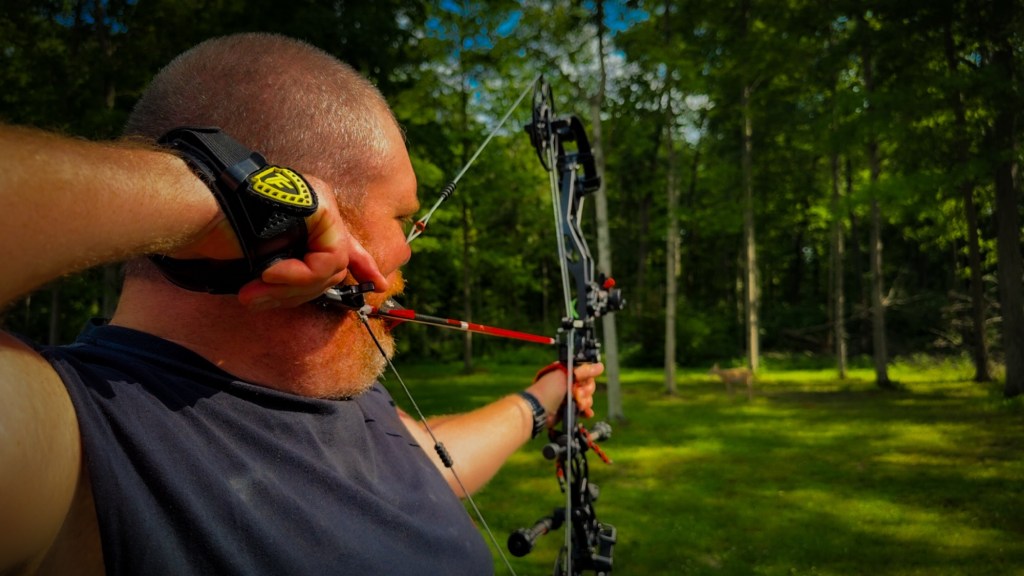
August 1 Means It’s Time to Get Serious About Whitetails
Every year, August 1 feels like somebody flipped a switch. All summer, deer season sits somewhere off in the distance. You enjoy watching velvet bucks grow, check a few trail camera pictures over your morning coffee, and maybe fling a few arrows after work when you have time. Then the calendar rolls over to August, and suddenly it gets real.
For most of us, there’s less than 60 days until opening day.
That’s not much time when you stop and think about everything that still needs done. Cameras need moved. Mock scrapes need freshened up. Tree stands need hung. Bows need tuned. Before long those bachelor groups you’ve been watching all summer will start changing, velvet will disappear, and every move you make from here on out matters. August is the month where successful seasons are built.
Move Your Cameras From Summer Patterns to Fall Patterns
Summer cameras and fall cameras aren’t always the same thing. A lot of us spend June and July watching bean fields, clover plots, mineral sites, and other places where velvet bucks like to spend their evenings. Those cameras serve their purpose. They tell you what’s living on the property and give you something to get excited about. Now it’s time to start thinking like an October hunter.
I start pulling cameras off those easy summer inventory spots and start moving them closer to historical travel routes, staging areas, creek crossings, field corners, funnels, and the scrapes that produce every fall. I like getting those cameras in place now because it gives deer several weeks to get used to the intrusion before hunting season ever arrives. Will those cameras suddenly start filling up with giant bucks?
Probably not.
Most of them will actually seem slower than the cameras you just pulled. That’s perfectly normal. Until velvet comes off and bucks begin shifting toward their fall routines, those locations simply aren’t going to light up. But that’s exactly the point.
I’d much rather have My Stealth Cams quietly soaking up information in the spot I know will matter in October than scrambling to move cameras around a week before opening day. When those seasonal shifts finally happen, everything is already in place.
Before I leave a camera, I spend a few extra minutes cleaning it up. Tall weeds, goldenrod, briars, and volunteer saplings have a way of exploding in August. One weed blowing in front of the lens can leave you with thousands of empty pictures and dead batteries before you even realize there’s a problem.
I don’t just bend vegetation out of the way anymore. I kill it with herbicide where it makes sense or cut it completely out. A clean shooting lane for your camera is just as important as one for your bow.
Wake Up Those Mock Scrapes
Every property seems to have a handful of scrapes that produce year after year. Those are the places I’m headed in August. Leaves have usually covered the dirt by now, weeds have started creeping in, and some licking branches have grown too high or broken off altogether. I spend an afternoon opening those historical scrape locations back up before deer ever think about using them consistently.
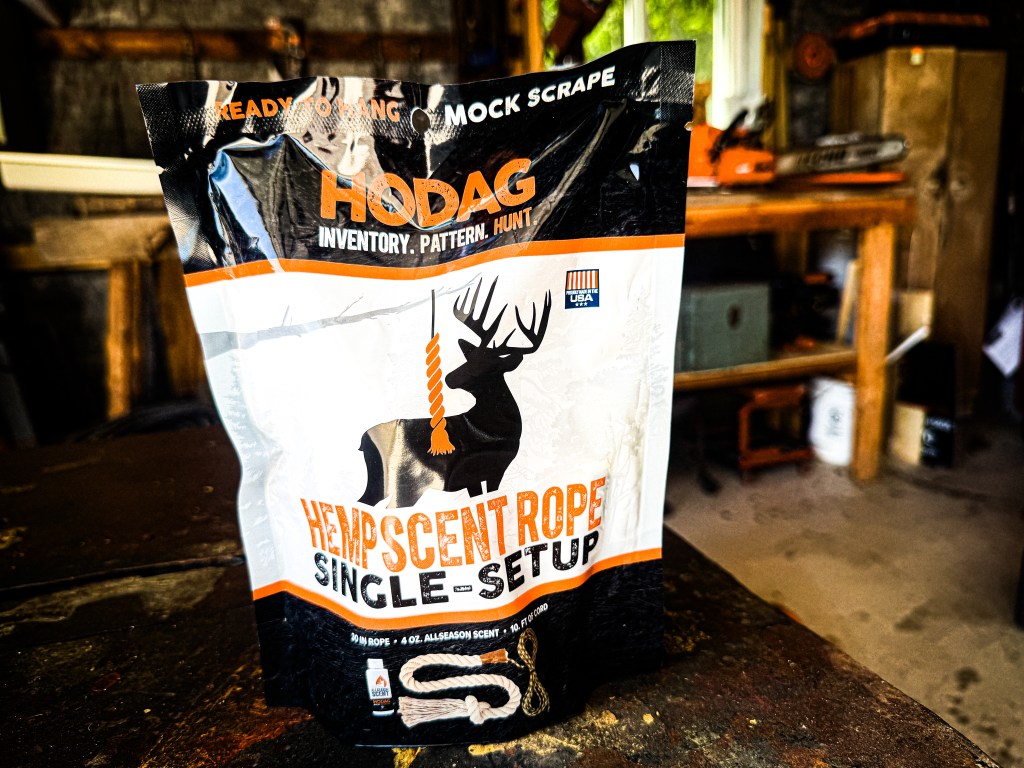
This is where I’ve really come to appreciate the HODAG Scrape System. It gives me a consistent licking branch exactly where I want it, whether I’m freshening up an old community scrape or creating one where natural branches aren’t positioned quite right. Once it’s in place, I don’t have to wonder if deer will work it the way I intended.
Just like the cameras, don’t expect fireworks overnight. Most of these scrapes won’t produce much more than a doe wandering by or a young buck sticking his nose in them over the next few weeks. That’s completely normal. Then September rolls into October.
Suddenly those same cameras that felt almost boring start showing mature bucks checking licking branches, working the scrape, and establishing dominance. Every year it seems to happen almost overnight. The hunters who already had cameras hanging over those locations are the ones collecting the information.
Hang New Stands While You Still Can
August is also when I take care of every stand project I’ve been putting off. Maybe there’s a new pinch point I found during shed season. Maybe I hinge-cut an area this spring and finally have enough cover to hunt it. Or maybe I just need to replace an old stand that’s seen better days. Whatever needs done, I want it finished now.
Just as important as hanging new stands is revisiting the ones already on the property. I tighten straps, replace worn ratchet straps, trim shooting lanes that have grown in, and clear quiet access trails before leaves start falling. The less trimming and banging around I have to do in late September, the better. By the time opening day gets here, I want every stand ready to hunt the moment the wind is right.
Stay Out of Bedding Areas
The closer opening day gets, the more tempting it becomes to push your luck. You get a daylight picture of a mature buck and immediately start wondering if you should slide one camera another 100 yards or sneak in for a closer look. Most of the time, that’s exactly what the buck hopes you’ll do.
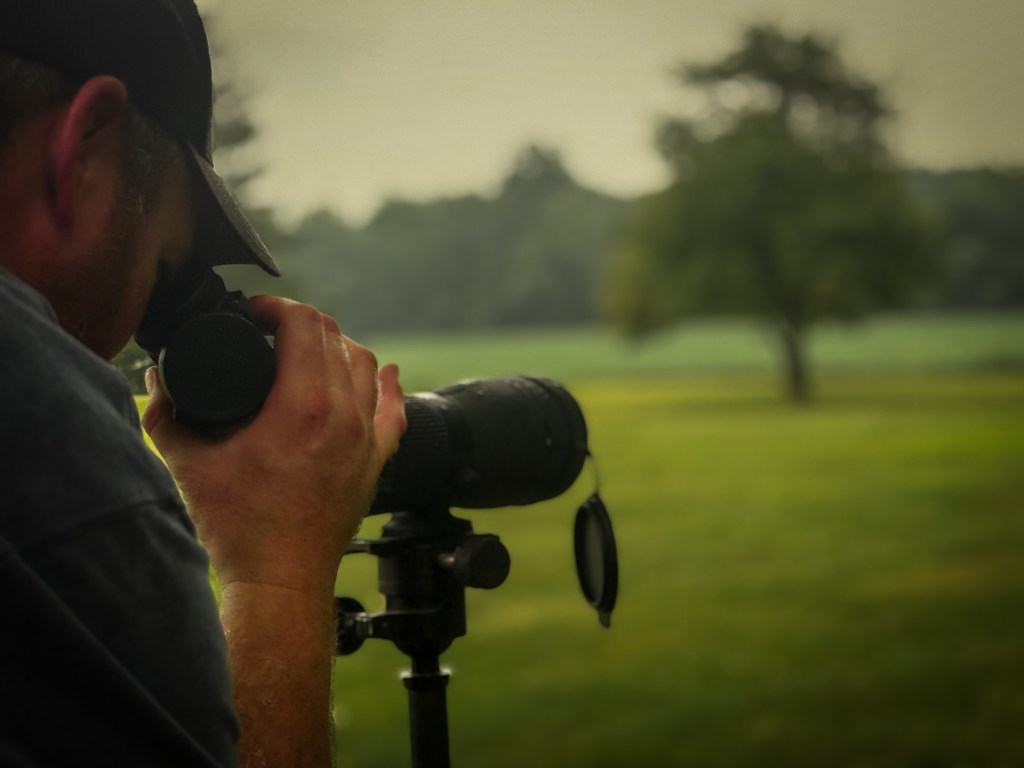
I’ve learned that once my cameras and stands are in place, less is usually more. Let the cameras do the scouting while you stay out. I like to glass fields from a distance with Vortex spotting scope instead of walking through bedding cover. The goal isn’t finding him today. The goal is making sure he still feels comfortable enough to be there when you climb into a stand.
Shoot Your Bow Like Opening Day Depends On It
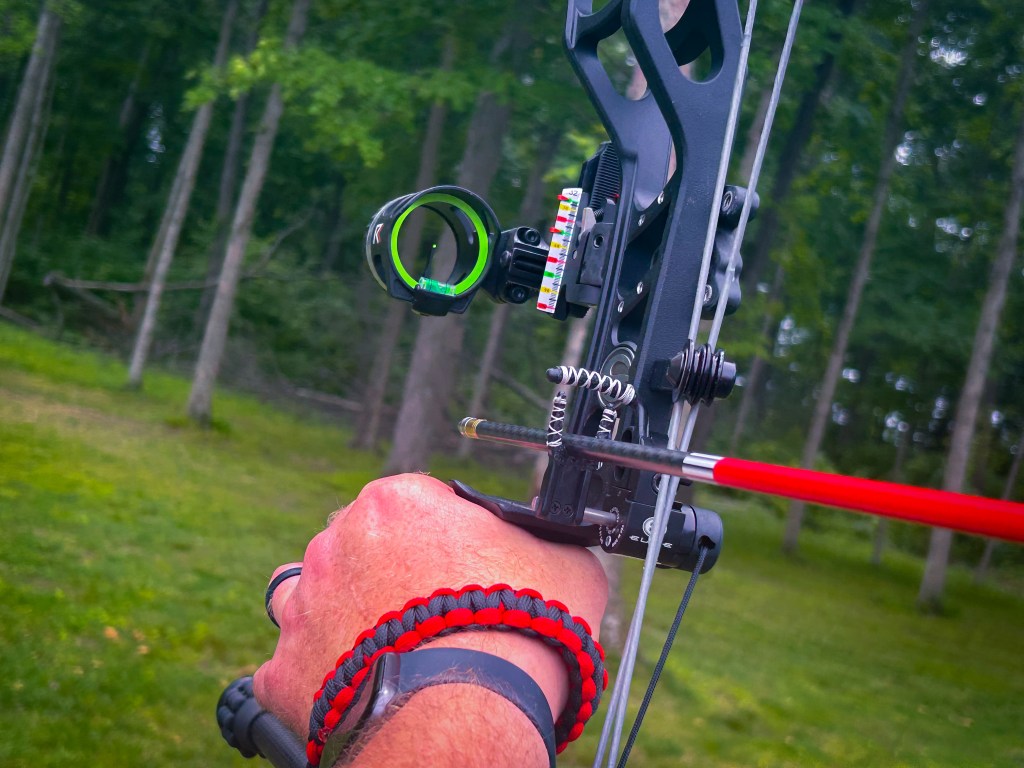
If your bow has been collecting dust, now’s the time to change that. I try to shoot at least four evenings a week through August. That doesn’t mean emptying a quiver over and over until my shoulder is sore. Most nights it’s only a dozen or so arrows, but every shot has a purpose.
One arrow.
Walk down.
Pull it.
Come back and do it again.
That’s a whole lot closer to what hunting actually feels like than rapid-fire practice.
I’ll mix in longer shots, kneeling shots, and shots from an elevated platform while wearing the same clothes I’ll likely hunt in. The more realistic practice becomes now, the less you’ll have to think about when a buck finally walks into range.
The Clock Is Ticking
Sixty days sounds like a long time until life gets in the way. Work gets busy. Kids go back to school. Football starts. Before you know it, you’re digging broadheads out of the garage the night before opening day wondering where August and September went.
Don’t let that happen.
Use these next few weeks to move your cameras into fall locations, wake up your historical scrapes, hang your stands, and make shooting your bow part of your weekly routine. When that first cool October evening finally arrives, you won’t be trying to catch up.
You’ll already be ready.


Leave a Reply